What to see in Valencia?
City of Arts and Sciences
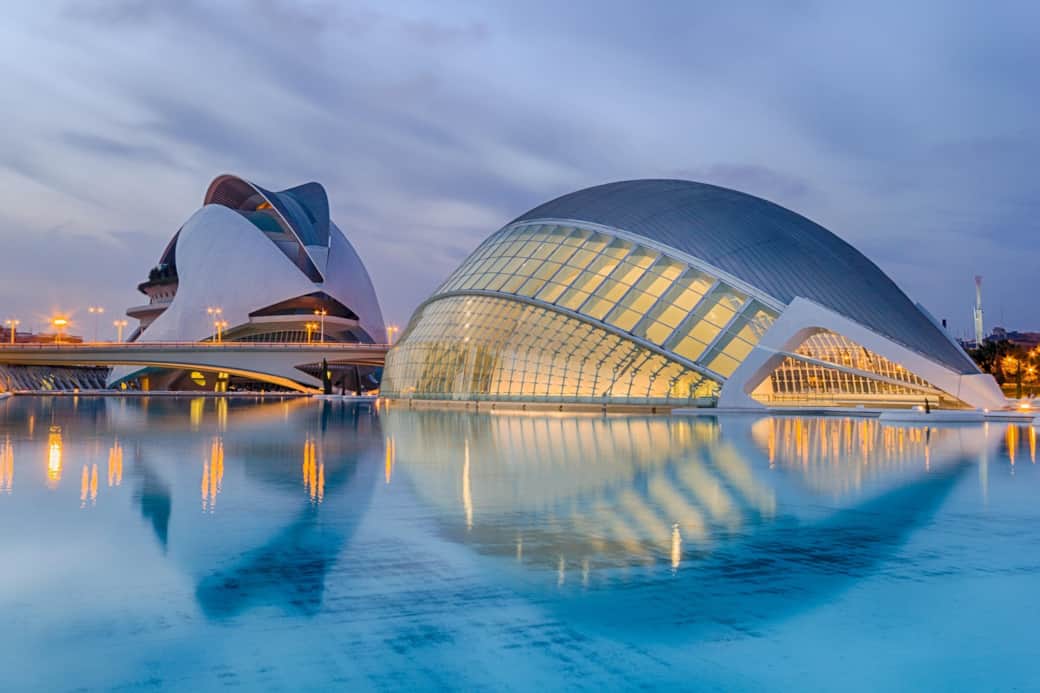
This scientific and cultural complex, designed by architect Santiago Calatrava, has become a must-see in Valencia.
The complex is made up of several buildings located in the Turia Gardens. Among them is the Palacio de les Arts, with unique acoustics where you can listen to concerts or opera. Those who like to experiment will find the Science Museum a place of dissemination and learning. The Oceanográfic, the largest in Europe, with five marine environments, and the Hemisféric, where you can watch 3D cinema.
The CAC has undoubtedly become the symbol of the city.
The Silk Exchange, a World Heritage Site
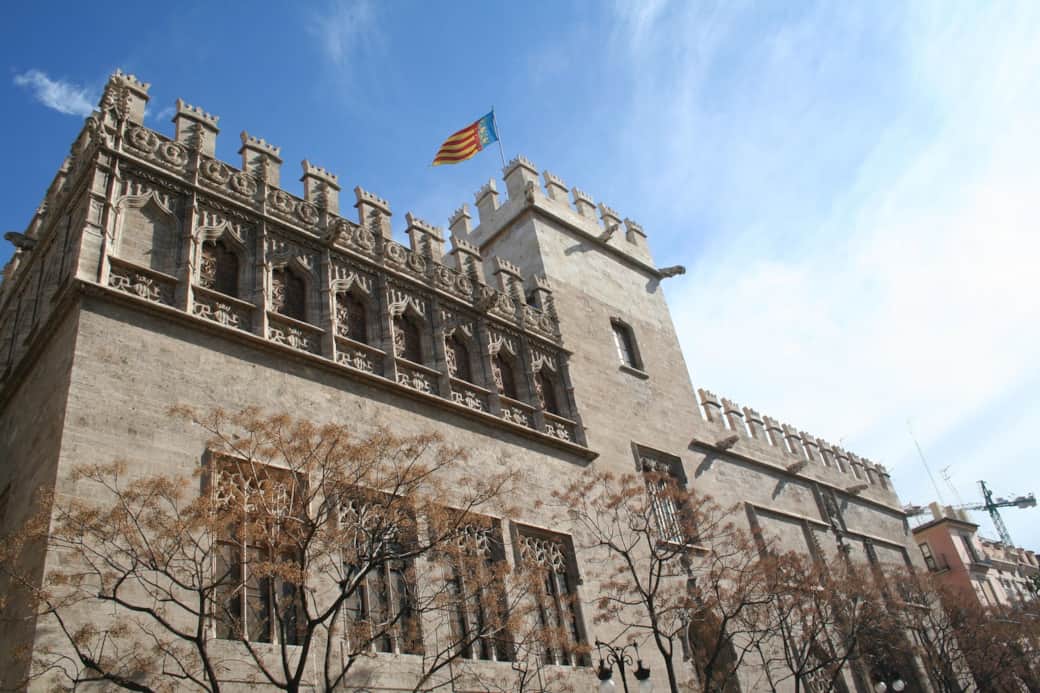
One of the most famous monuments of Civil Gothic architecture in Europe. Located in the city center, it was built in the 15th century by the master architect Pere Compte. The Trading Hall stands out, with a height of 17 meters, supported by eight free-standing columns. The Taula de Exchange (trading table) was established in this hall, which achieved great prestige due to its solvency and number of banking transactions.
Cathedral, Miguelete, and Holy Chalice
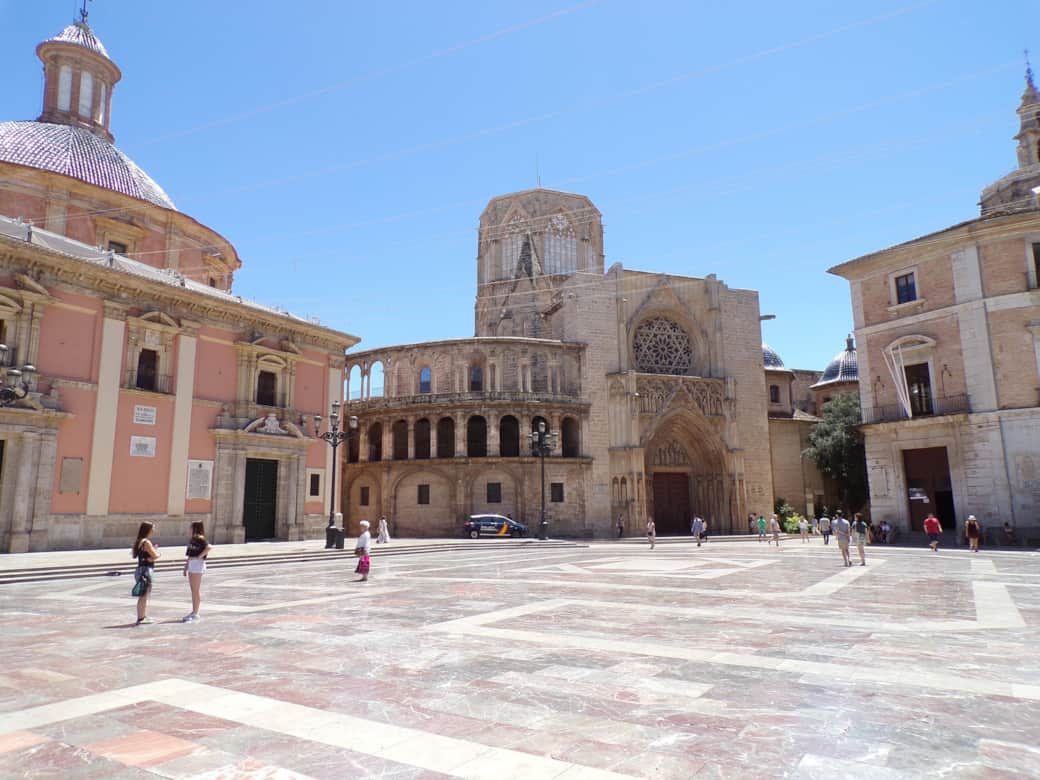
In this beautiful cathedral, built in different styles, although Gothic predominates, you can admire the Holy Chalice, a relic of the Last Supper made of polished agate in an Oriental style. You can also find paintings by Maella and Goya.
If you climb the Miguelete tower, you can enjoy unparalleled views of the city's old town.
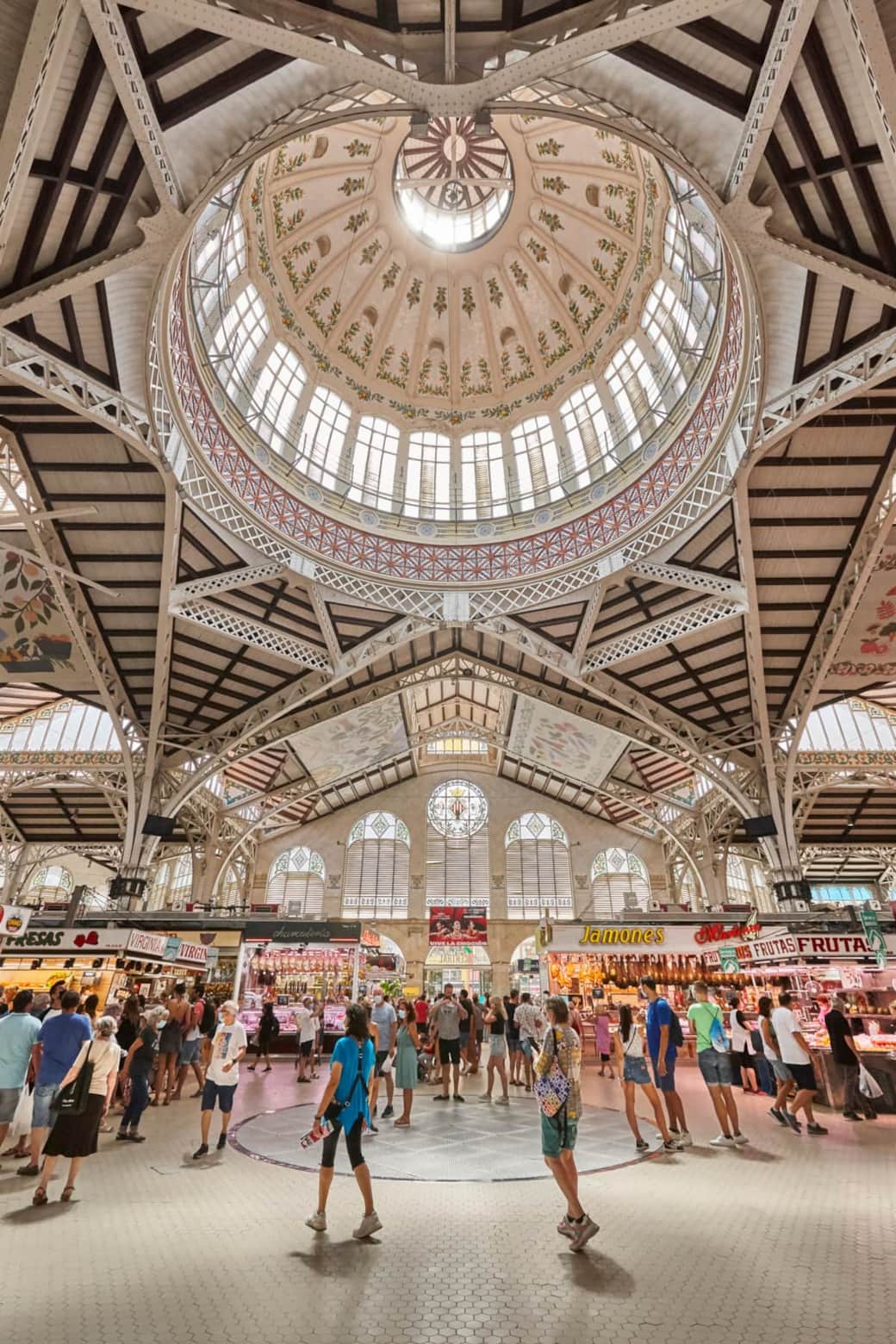
Central Market, the largest fresh produce market in Europe
This iconic modernist building houses the largest fresh produce market. With 250 food stalls, you can enjoy the widest variety of garden and Mediterranean produce.
If you don't want to shop, but still want to enjoy the best cuisine, you can stop by the Central Bar, led by chef Ricard Camarena, and sample the best tapas, snacks, and sandwiches.
Barrio del Carmen, a blend of culture, history, and leisure
This is the most famous neighborhood in the historic center, named after the church of the same name. In addition to its extensive culinary offerings, you'll find examples of medieval architecture among its labyrinthine, ancient streets.
After the expansion of its walls in the 15th century, the medieval city housed the artisan guilds that today give their names to a multitude of streets that have left countless traces throughout the neighborhood.
The Albufera of Valencia, nature in its purest form
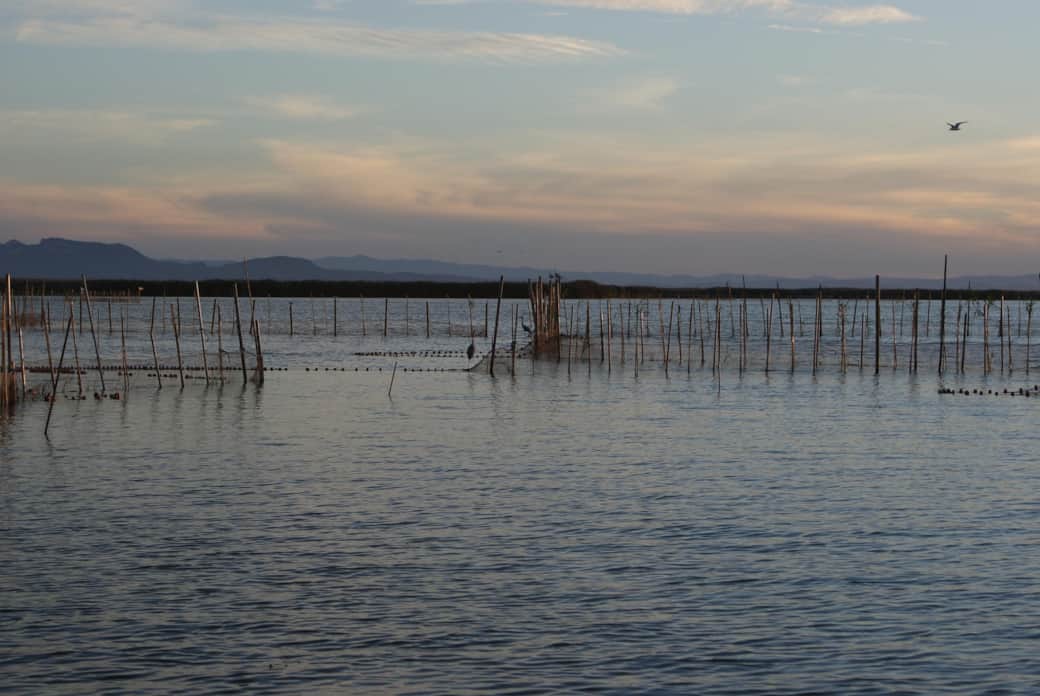
Just 10 km from the city, you'll discover this lagoon, now a natural park, surrounded by rice fields and forests. In this natural setting, you'll immerse yourself in nature in its purest form, where you can take boat rides or hike through fields where thousands of migratory birds rest. On the island of El Palmar, whose origins are linked to fishing, you can enjoy the finest cuisine in the place that gave rise to the world-famous Valencian Paella.
Valencia Beaches
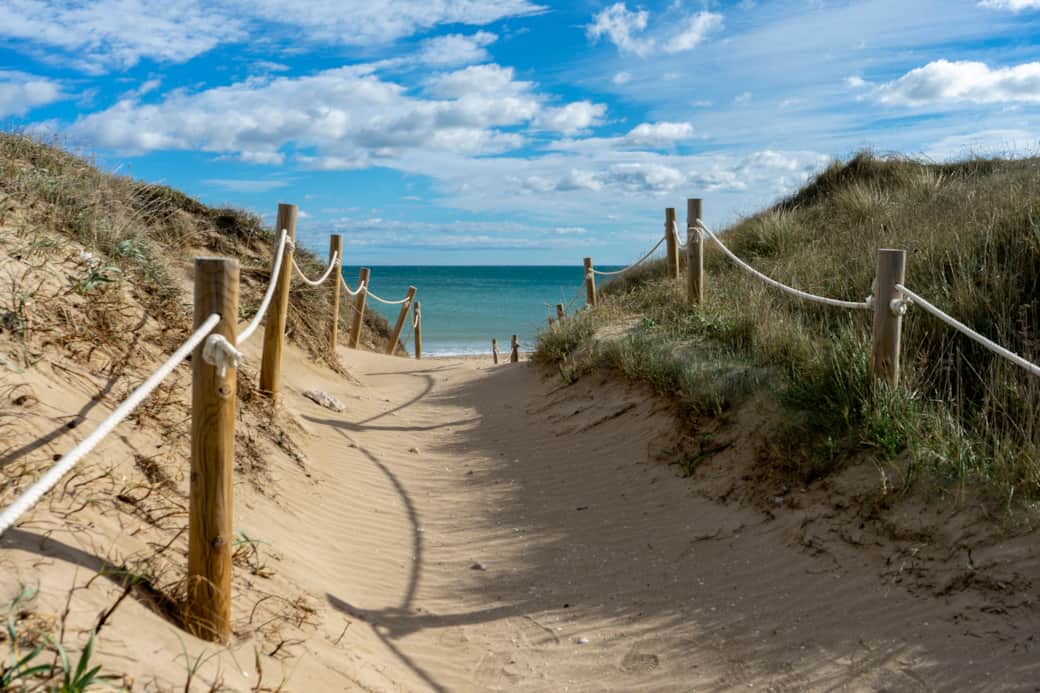
The city of Valencia has 20 kilometers of beaches where you can enjoy the Mediterranean. From urban beaches like Malvarrosa, to wilder ones like Playa del Saler or Playa Devesa, which has been converted into a Nature Reserve.
White and golden sands allow you to enjoy the blue sea and take hiking trails through forests with a Mediterranean feel.
Church of San Nicola de Bari
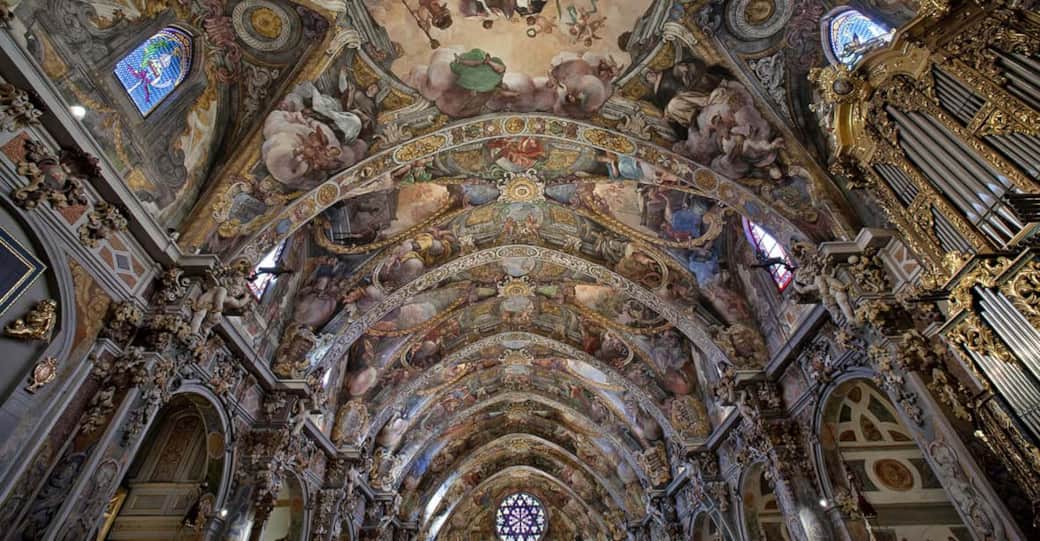
Recently restored, the so-called Valencian Sistine Chapel allows you to discover the lives of Saint Nicholas of Bari and Saint Peter Martyr of Valencia in the frescoes decorating the ceilings and walls. The entire 16th-century Baroque decoration was designed by Antonio Palomino and painted by Dionís Vidal.
A unique visit for lovers of art and culture.
What to do in Valencia?
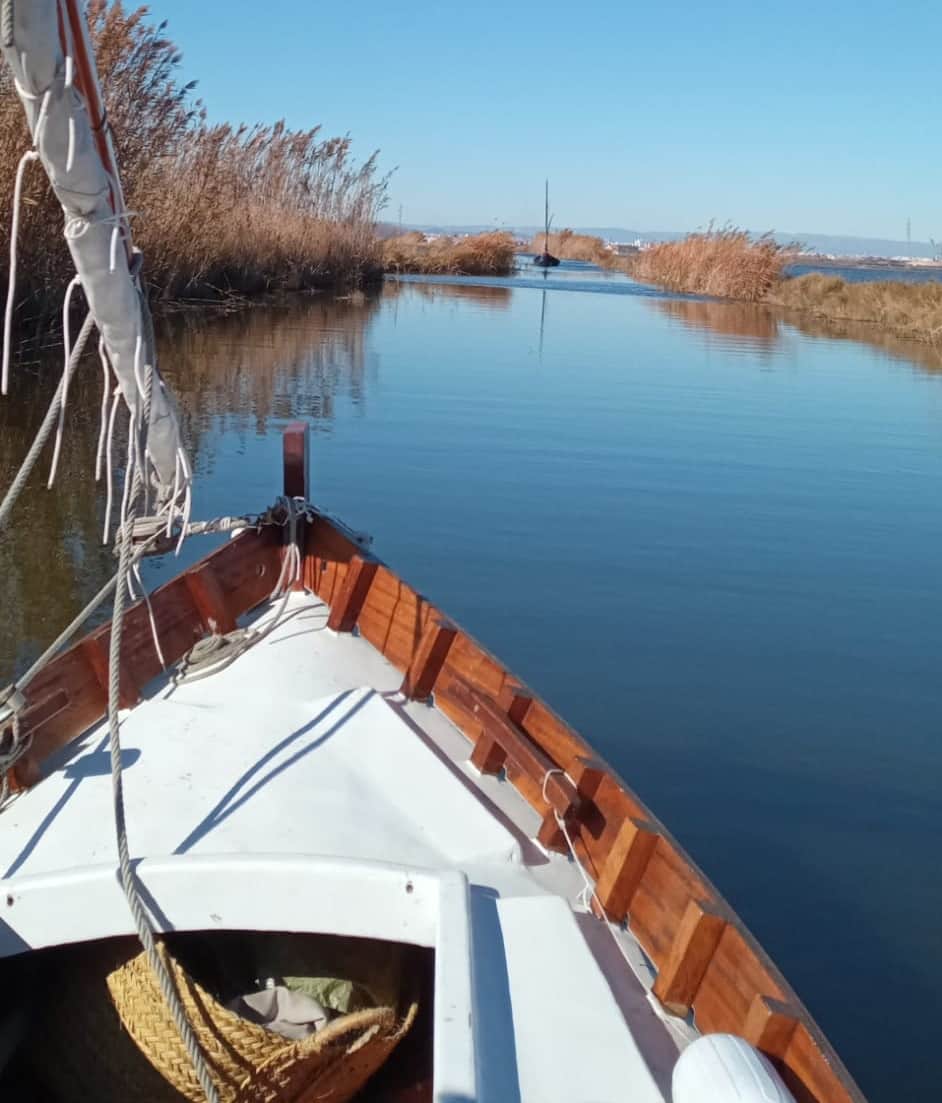
Routes through the Devesa, its forests, and the Albufera
Just 10 km from the city is the Devesa del Saler and Albufera de Valencia Natural Park. It's perfect for hiking through its Mediterranean forests, cycling along the paths between the "tancats" (small boats) that surround the Albufera, or a boat trip on the lagoon to enjoy nature in its purest state.
A perfect way to organize a bike trip through the forests of the Devesa and the tancats (small boats) of the Albufera is to travel to the district of El Saler from Valencia on bus line 25, and rent bikes for everyone there.
Valencia, City of Sport
The Mediterranean climate, its terrain, and the sea have made Valencia the center of world-class sporting events.
Valencia is the capital of running, which culminates in the largest event of global significance: the Trinidad Alfonso Marathon.
The great passion for motorcycling in Valencia is reflected in the Cheste MotoGP Grand Prix, one of the major events in the world championship.
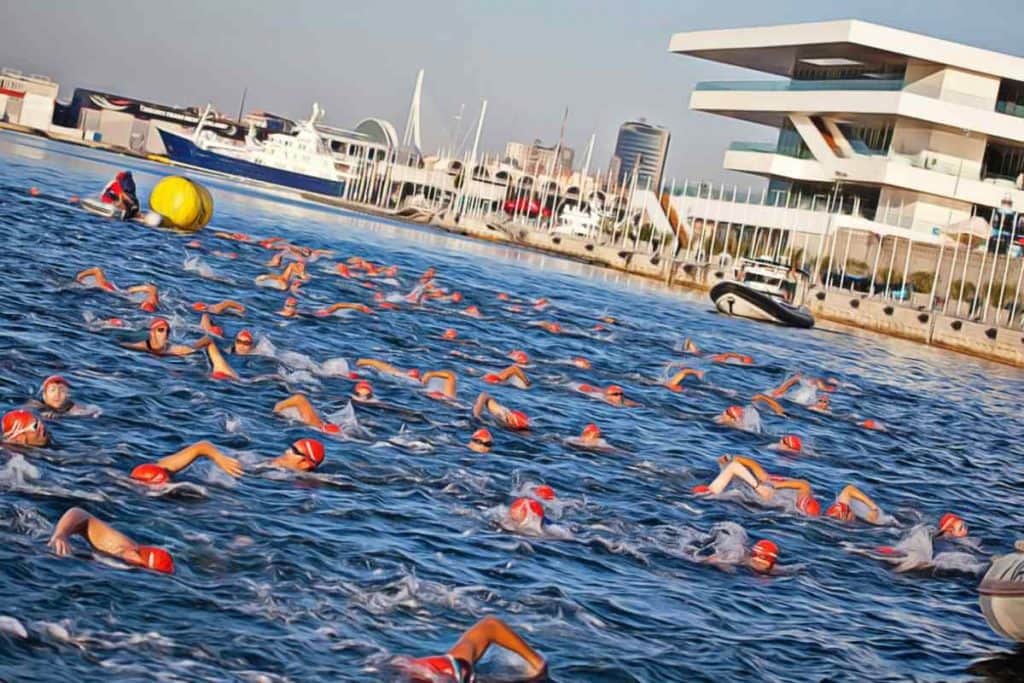
Its blue water beaches, combined with the city's completely flat terrain, promote the practice of triathlons. The City of Valencia has become a pure spectacle.
On the shores of the Mediterranean, sailing is one of the most popular and widely followed sports in Valencia. The H.M. Queen of Sailing Trophy stands out as one of the most important events in this discipline.
Bike Routes Through the Turia Garden
Valencia's exceptional terrain and sunny Mediterranean climate invite you to explore the city by bike. It's an easy way to enjoy its charm and wonderful corners.
The entire city is crisscrossed by bike lanes and shared 30-mile streets, making your visit safer.
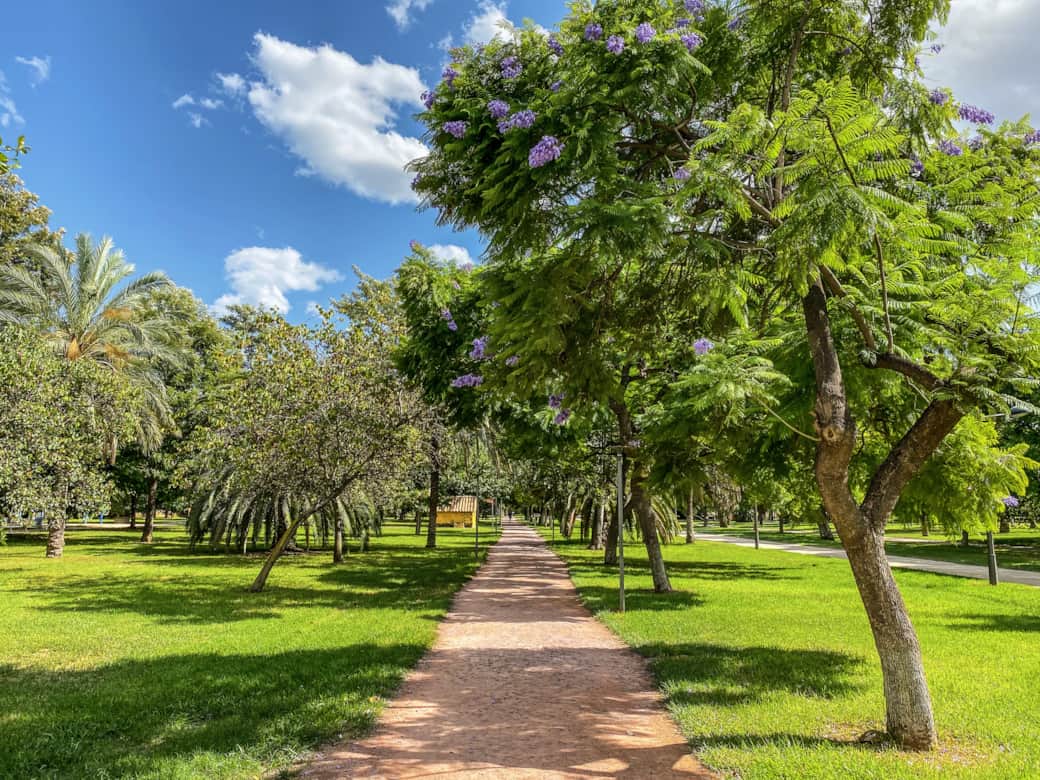
Among the most popular routes, the Turia Garden route is undoubtedly the most popular. The route begins at Oceanographic Park and ends at the main park, next to BIOPARC. Walking along the paths through its forests, monuments, and gardens, you'll also find popular folklore performances on weekends, open-air concerts next to Berklee University, sports activities, cafes, and a skate park for the more adventurous. On the edge of the Turia Garden, you'll find bike rentals for 8-10 euros a day.
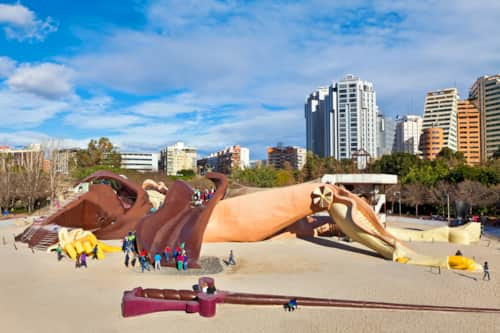
Little ones will find fun on the slides at Gulliver Park. Admission is free.
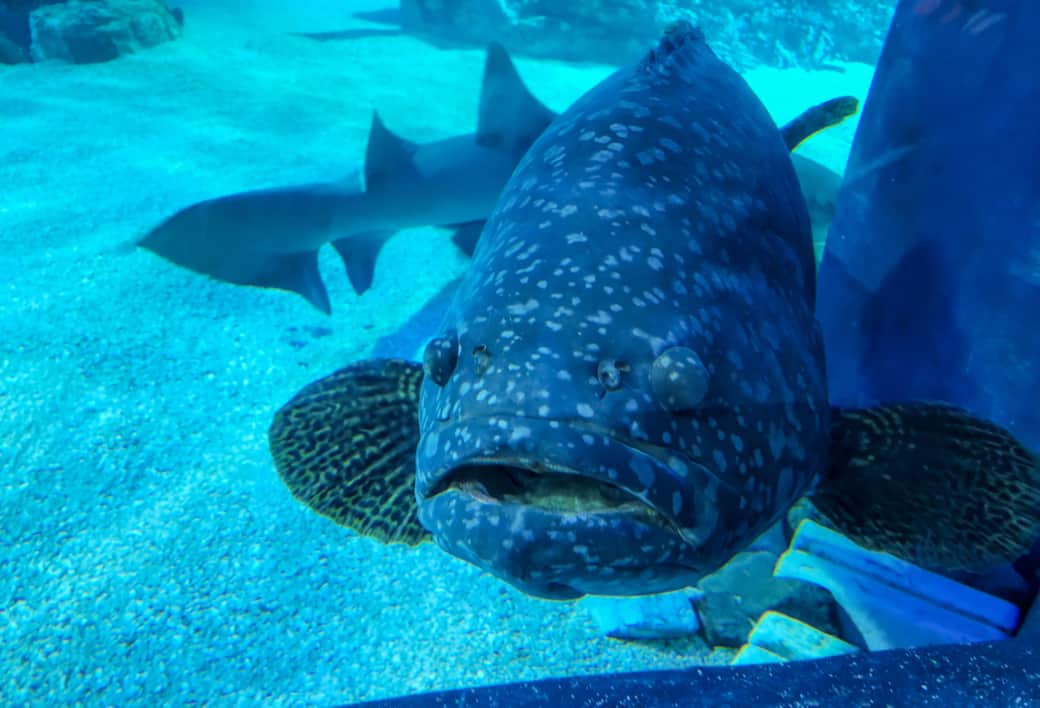
Discover marine ecosystems at Oceanografic Valencia
Oceanografic Valencia is the largest oceanographic park in Europe, located next to the City of Arts and Sciences, a world leader in research, conservation, and outreach.
With more than 20,000 animals, you can explore marine ecosystems, from the cold waters of the Arctic to the warm waters of the mangroves. Sharks, Beluga whales, amazing deep-sea fish—a whole world of animals to discover. You can also share immersive experiences with underwater rescue teams. A visit that will take up a whole day and will delight the whole family. It offers parking and a gastronomic offering that ranges from a simple cafeteria to a truly unique underwater restaurant.
Experience the wild at Bioparc Valencia
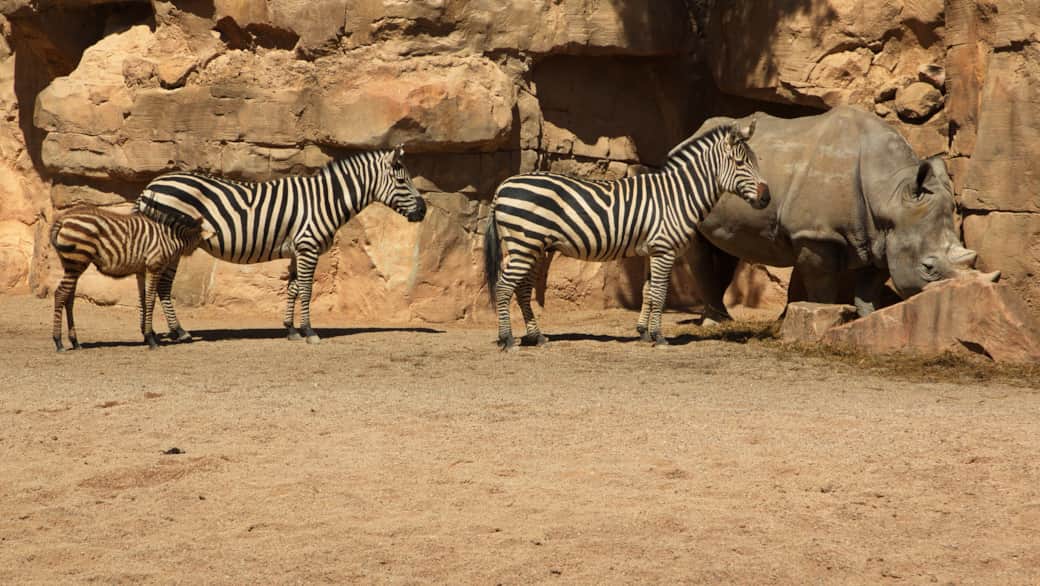
BIOPARC Valencia is an innovative animal park that embraces the concept of immersive zoos, offering visitors a unique experience immersed in faithful recreations of natural habitats. Without visual barriers, visitors can observe the animals, vegetation, and surroundings up close, creating a deep connection with nature.
The tour takes them through the vast African savannah, where rhinos, antelopes, and giraffes coexist under the watchful eye of lions. Among majestic baobabs and spectacular waterfalls, visitors can admire an impressive herd of elephants.
In the dense forests of Central Africa, family groups of gorillas and chimpanzees stand out, as do the elegant leopards. Kitum Cave offers the only underwater view of hippopotamuses in Spain, within a detailed representation of African wetlands.
Finally, on the island of Madagascar, you can walk among several species of lemurs, completing an immersive and unforgettable tour of African biodiversity.
For lunch, I recommend the Samburu restaurant, which offers unbeatable views of rhinos and other animals. Bioparc Valencia has parking for €7, although it can be reached by bus on line 99.
Discover the Fallas of Valencia, the most international festival
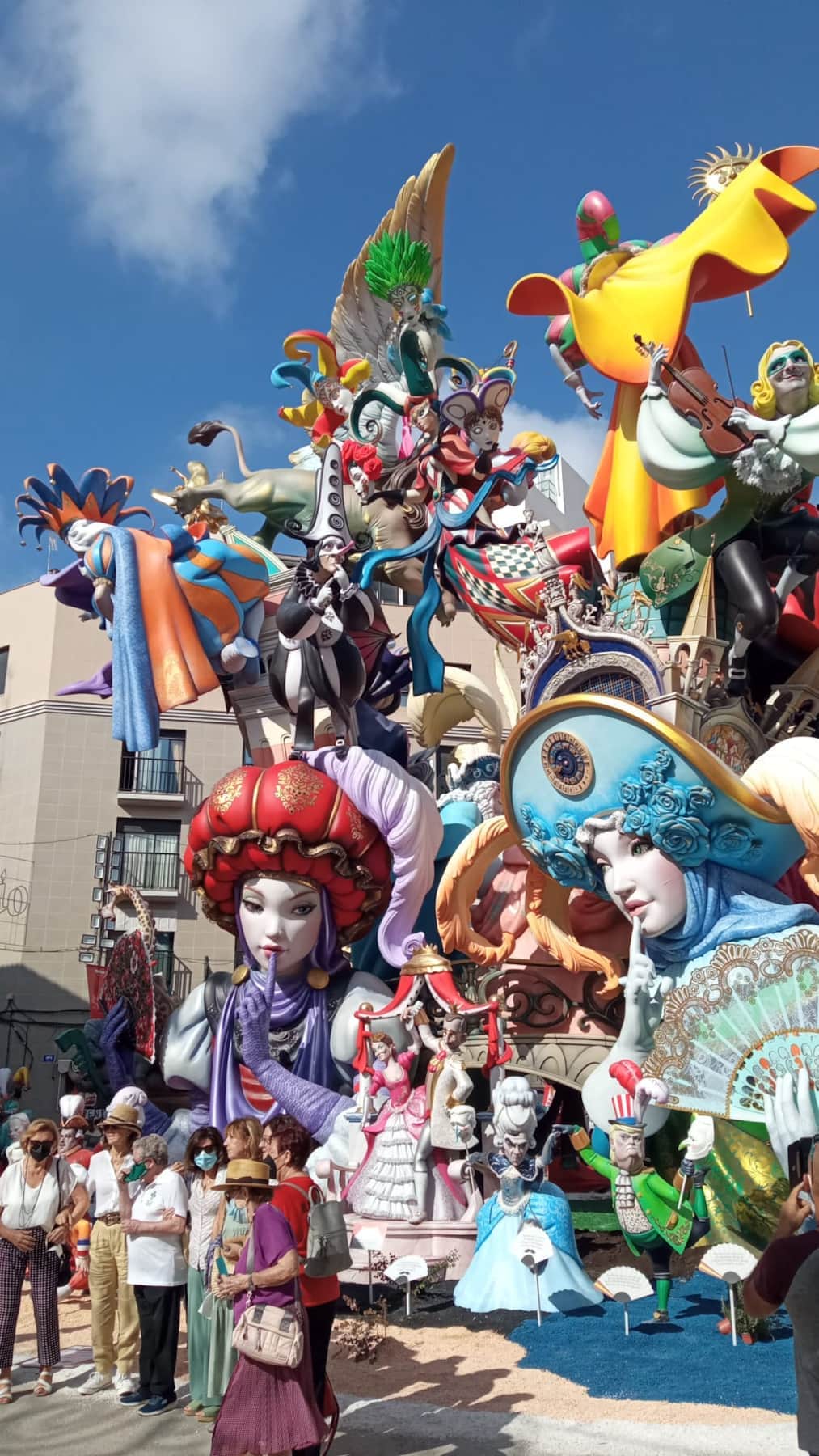
Valencia's Fallas are famous for being one of the most spectacular, creative, and exciting festivals in Spain, and have been declared an Intangible Cultural Heritage of Humanity by UNESCO since 2016.
The Fallas, those gigantic monuments
The absolute protagonists are the fallas, enormous sculptures made of cardboard, wood, and other materials that can reach more than 20 meters in height. They usually have a satirical, humorous, or critical tone on social, political, or cultural issues. Traditionally, on March 19th, they are burned in the traditional "Cremá" (fireworks festival), which culminates the festivities. A unique spectacle.
Valencia, passion for gunpowder
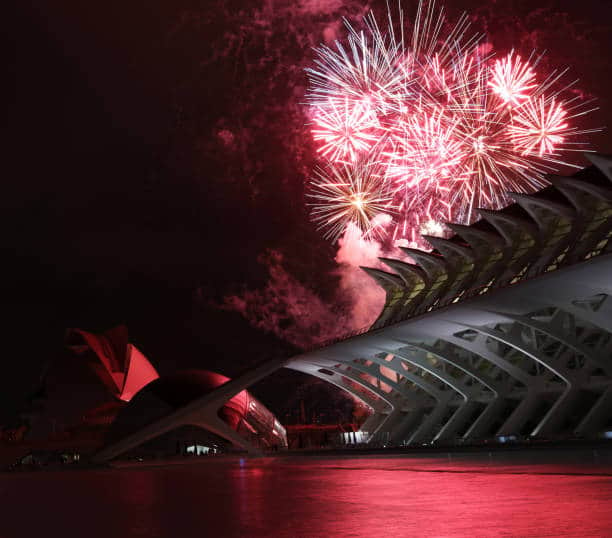
The entire city literally vibrates with the mascletàs (firecrackers), coordinated explosions of firecrackers that are celebrated every day at 2:00 PM in the Plaza del Ayuntamiento and in multiple neighborhoods throughout the city. And at night, the best fireworks are displayed on the "Nit del foc" (Night of Fire). A true spectacle!
Tradition and Clothing
Thousands of Falleros and Falleras parade through the city in traditional costumes, many of them hand-embroidered and steeped in history. The Offering to the Virgin of the Forsaken is a highlight, where a huge figure is filled with flowers, creating a spectacular tapestry.
The unique atmosphere of the city
For a week (although the celebrations begin earlier), Valencia transforms into a nonstop party: decorated streets, marching bands, open-air dances, popular meals, hot chocolate and fritters... An experience for all the senses!